Not automatically.
The right approach depends on what is happening at the property, what the cleanup needs to accomplish, who has authority to make decisions, and what work is discussed and approved.
For many people, the fear isn’t only that belongings will be removed. It’s that strangers will decide what matters before the people involved have had a chance to explain. Important documents, photographs, medications, keepsakes, and necessary household items may be mixed among belongings that require a different decision.
Before work begins, the people involved should understand how the belongings will be approached, who can make decisions, and what the proposed cleanup will include. That starts with understanding what hoarding cleanup may actually mean for a particular property.

Hoarding cleanup and a complete property clear-out aren’t always the same.
One property may need attention in a particular room. Another may require clearer access to an entry area or hallway. Some work may focus on specific materials or conditions. In other situations, several rooms or a larger part of the property may need attention.
The right scope depends on what the team finds at the property, what the authorized person hopes the cleanup will make possible, and what work is needed to address the agreed priorities. A limited cleanup may not be appropriate in every situation.
Hoarding cleanup describes the kind of situation being addressed. It doesn’t, by itself, determine what must happen to every belonging.
To understand what may stay, what may need to be removed, and what requires another decision, the belongings should be part of the planning conversation.
Before cleanup begins, the people involved should discuss how they will approach belongings.
A belongings plan can identify:
The goal isn’t to predict every item the team may find. It’s to make sure everyone knows what to do when an important or uncertain belonging comes up during the work.
A belongings plan can’t guarantee that every item will be found, reviewed one by one, or able to stay. An item’s condition and the work needed at the property may affect the available options.
But discussing these questions before cleanup begins can help everyone understand what needs particular attention and who should make each decision.
You can’t always tell how important something is just by looking at it.
Something that seems ordinary to one person may have practical, financial, or personal value to someone else. That’s why it can help to identify important categories before cleanup begins.
These may include:
You don’t need to know where every item is located or create a complete inventory before asking for help. Start by writing down the categories you’re most concerned about. The local team can then understand what to watch for and who to contact when questions arise.
An item’s condition may affect whether it can remain. But its importance should still be part of the conversation.
Identifying what matters is one part of the plan. The team also needs to know who has authority to make decisions about those belongings.
The person asking about cleanup isn’t always the person who can approve the work or decide what to do with the belongings.
Depending on the situation, the people involved may include:
If there are disagreements about ownership or legal authority, the people involved may need guidance from an appropriate qualified professional.
Even when the right decision-maker is clear, deciding what happens throughout an entire property may still feel overwhelming. The choices may feel more manageable when you divide them into smaller parts.
Looking at the entire home as one large keep-or-remove decision can make it feel impossible to begin.
Depending on the property and the proposed scope, decisions may be organized:
For example, the first priority might be understanding what is needed to make an essential living area easier to access or use. Decisions about another part of the property may come later.
The goal isn’t to force thousands of decisions at once. It’s to identify which decisions are needed for the next part of the work.
Not every property can be addressed one room or one stage at a time. Conditions at the property may require a broader approach. Those conditions may also affect whether some belongings can remain.
A belongings plan doesn’t guarantee that every item can remain at the property.
The available options may be affected when an item is:
Some items or materials may need to be removed. Others may be set aside, reviewed, or handled according to the agreed plan.
That doesn’t mean every possession should be treated in the same way. The local Bio-One of Eugene team can explain how the conditions they observe affect the work they propose. Respecting belongings doesn’t mean ignoring their condition. Addressing property conditions doesn’t mean treating every belonging as disposable.
Some people hesitate to request an assessment because they’re afraid it will start a process they can’t stop.
But an assessment, a proposed scope, and approval are three different parts of the decision.
The free Bio-One of Eugene assessment helps the local team understand the property, current conditions, and the concerns of the people involved.
The proposed scope explains what work the team recommends, which areas may be included, and what the work is intended to address.
The person with authority reviews the proposed scope, asks questions, and decides whether the work may move forward.
The general process may include:
Before deciding, ask how they'll handle belongings, property conditions, and any unexpected changes.
You don’t need to decide what happens to every belonging before reaching out.
You can begin by telling your local Bio-One team:
The local team can listen, ask practical questions, and explain what information may be needed before proposing any work.
Hoarding cleanup doesn’t have to begin with losing control. It can start with a plan to understand the property, identify what matters, and clarify who will make each decision.
You don’t have to decide what happens to everything today. You can begin by understanding what the property may need.
Talk With My Local Bio-One Team
Asking questions doesn’t mean you’ve approved cleanup.
No. The proposed scope depends on the property conditions, the goals for the space, who has authority to make decisions, and what work is approved. Some cleanups may focus on certain rooms or priorities. Other properties may require a broader scope.
Yes. Before work begins, discuss documents, photographs, medications, keepsakes, valuables, or other categories that need particular attention. The belongings plan should also explain who to contact when an important or uncertain item is found.
An item’s condition may affect the available options, and no team can guarantee that every item will be found.
Sometimes. Depending on the property and the goals for the work, the proposed scope may focus on a particular room, pathway, or essential living area.
A limited scope won’t be appropriate for every property. The local Bio-One team will need to understand the conditions before explaining what approach may be possible.
Someone with the appropriate authority must approve the work. That may be the resident, property owner, executor, trustee, guardian, or another authorized representative.
A concerned family member, someone with access to the property, or the person paying for the work may not automatically have authority. If ownership or legal authority is unclear, seek guidance from an appropriate qualified professional.
Clarify who has authority to approve the work and make decisions about the belongings before cleanup begins. A belongings plan can help define roles, priorities, and how questions will be handled.
Bio-One can follow the authorized plan, but it can’t settle family disagreements or decide disputed ownership.
The belongings plan should explain how important or uncertain items will be handled. Depending on the plan, an item may be set aside, placed in an agreed location, or brought to the attention of the authorized person.
Ask how discoveries will be communicated before the work begins.
Yes. Damage, property conditions, access needs, or the approved work may affect whether an item can remain.
Ask the local team to explain how the conditions they observe affect the options and the proposed scope.
No. An assessment helps the local Bio-One team understand the property and what work may be appropriate. The proposed scope explains the work under consideration.
The person with authority should have an opportunity to review that scope and ask questions before deciding whether to approve the cleanup.
Maybe fewer rooms are usable than they used to be. A doorway is harder to reach. A needed repair keeps getting postponed because no one can access the area.
You know something needs to change. You just don’t know how to bring it up without causing an argument.
That’s the hard part of helping someone with hoarding issues. You want to protect the person, the home, and the belongings that matter to them. But if you push too hard, they may stop listening.
There probably won’t be one perfect conversation that fixes everything.
Real progress is often smaller. You listen. You learn what feels most important to them. You find one goal you can share.
It may feel slower than taking charge. But when the person keeps a voice in what happens, the next step is more likely to build trust instead of breaking it.

When a family member’s home is becoming harder to live in, doing nothing can feel impossible.
You may worry about blocked walkways, needed repairs, important belongings, or cost. You may also carry frustration from past conversations and guilt that you didn’t step in sooner.
So you start thinking: If I could arrange the cleanup and make the decisions, we could finally move forward.
But caring about someone doesn’t always give you the right to decide for them.
Unless there’s an immediate danger or you have legal authority, your family member may still decide who enters the home, what happens to their belongings, and whether cleanup begins. Moving ahead without them may damage the trust you’ll need later.
That doesn’t mean ignoring the problem. It means beginning with a different job.
Before trying to fix the home, learn what they’re worried about, what they fear losing, and what help they might accept.
Don’t begin with, “How do we clean up everything?”
Begin with, “What’s one problem we could work on together?”
When you’re worried about someone’s home, it’s easy to make the whole conversation about the clutter.
But your family member may hear something else. They may hear that they’ve failed, that you’re judging them, or that you plan to throw away their belongings.
Once someone feels threatened, it’s hard for them to hear the care beneath your words.
So begin with one thing you’ve noticed and why it matters.
Instead of:
“This entire house has to be cleaned.”
Try:
“I’ve noticed it’s getting harder to reach the back door, and I’m worried about what would happen in an emergency.”
One statement judges the whole home. The other names a problem you may be able to solve together.
Then ask for their point of view:
“What part of the house is making everyday life hardest right now?”
Listen carefully. Their biggest concern may not be yours. You may see a room that needs clearing. They may be worried about finding important papers or reaching the furnace before a repair.
Listening doesn’t mean agreeing that everything is safe. It means understanding the person before deciding what should happen to the property.
You’re not ignoring the home. You’re making it safer to talk about.
The first goal doesn’t have to be cleaning the entire house.
To your family member, that may sound like strangers entering every room, belongings disappearing, and decisions being made too quickly.
A smaller goal feels more possible.
You might agree to:
This changes the question from “What should we do about the whole house?” to “How can we solve this one problem?”
Suppose the water heater needs repair, but a technician can’t reach it. The shared goal could be clearing enough space for the appointment. Before anything moves, you can identify important belongings, decide what shouldn’t be touched, and agree on who will make decisions.
The goal has a clear purpose and a natural stopping point. Saying yes to this task doesn’t mean saying yes to the entire home.
Completing one goal may also rebuild confidence. Your family member gets to make decisions, accept help, and see that their voice still matters.
A smaller goal isn’t avoiding the larger problem. It may be the first decision you can make together.
If your family member says “no,” don’t assume they want everything to stay the same.
First ask: What are they saying no to?
They may fear that:
When you say, “Let’s call a cleanup company,” they may picture a crew arriving tomorrow and emptying the house.
So don’t rush to change their mind. Ask what worries them most.
“Are you afraid someone will remove things without asking?”
“Would it help if we only asked questions and didn’t make a decision?”
Their answer shows you what needs to become clearer. You may need to explain that belongings won’t be handled without a plan, no visit will be arranged without the proper permission, or no work will be approved before the proposed scope and cost are reviewed.
You can’t promise that every concern will be easy to solve. But you can promise that one conversation won’t become permission for something more.
Sometimes “no” means the next step feels too big, too fast, or too uncertain.
Understand the fear, and you may find a smaller yes beneath it.
You may be the person your family member trusts most. That doesn’t always give you the authority to make decisions for them.
You may be able to listen, help identify priorities, gather information, attend an assessment with permission, and explain what practical or financial help you can offer.
But you may not be able to enter the property, approve cleanup, decide what happens to belongings, or commit someone else to a cost.
Before anything moves forward, clarify who can allow entry, decide what happens to belongings, approve the work, and pay for it. A property owner, legal representative, landlord, or agency may also need to be involved.
Your limits matter too.
You might say:
“I can help gather information and attend the assessment, but I can’t make decisions about your belongings.”
Or:
“I can help with this first step, but I can’t store everything that needs to be moved.”
A boundary isn’t abandonment. It’s an honest description of the help you can provide.
When everyone understands their role, your family member keeps a voice in their decisions, and you don’t quietly become responsible for everything.
If your family member is willing to consider help, the next step can be as simple as gathering information.
You might talk with your local Bio-One of Eugene team about what’s happening, who is involved, and what you hope to make possible. That first conversation can help you understand:
Calling doesn’t give anyone permission to enter the home. An assessment doesn’t approve cleanup. Reviewing a proposed scope and estimate doesn’t require you to move forward.
You could ask:
“Would you be comfortable talking with someone so we can understand our options? We don’t have to approve any work.”
One phone call shouldn’t set an unstoppable process in motion. It should give you clearer information so you can decide together whether another step feels right.
You can choose your words carefully and still hear “no.”
That doesn’t mean the conversation failed.
You may now understand what your family member fears losing, what kind of help feels threatening, or which small goal they might consider later. That is progress, even if nothing changes today.
If there’s no immediate danger, give them time without pretending your concern has disappeared.
You might say:
“I understand you don’t want to do this now. I won’t arrange anything without talking with you. Could we discuss the back doorway again next week?”
Keep the door open, but keep your boundaries too. Waiting for them to be ready doesn’t require you to promise more time, money, storage, or hands-on help than you can give.
If someone faces an immediate threat, such as fire, blocked emergency access, a medical emergency, or serious structural danger, contact the appropriate emergency service, public agency, property authority, or qualified professional.
Otherwise, don’t surprise the person with a cleanup crew, enter without permission, or remove belongings while they’re away. You may solve one visible problem but lose the trust needed to address the rest.
Sometimes progress isn’t permission to begin cleanup.
Sometimes it’s enough trust to continue the conversation later.
You don’t need to know how the entire situation will be resolved before taking one respectful step.
You and your family member can learn what happens during professional hoarding cleanup. Or you can talk with your local Bio-One team about the property, the people involved, and what you hope to make possible.
A conversation doesn’t commit anyone to cleanup. It can simply replace some of the worry and uncertainty with clearer information.
Choose the next step that feels possible today:
You don’t have to solve the entire home at once. You only need to decide what the next respectful step may be.
The first phone call to Bio-One is almost never a normal phone call. People don't call because they're shopping around. They call because something unexpected has happened.
Maybe a loved one has passed away and wasn't found right away. Maybe a sewage backup has contaminated part of the home. Maybe hoarding has reached the point where it's no longer safe. Maybe there's been a traumatic event that no one knows how to handle.
Whatever the situation, the call usually ends with the same question: "Can you tell me what it's going to cost?"
It's a completely understandable question. But it's also one we almost never answer over the phone.
Not because we don't want to help. Because helping starts with understanding exactly what you're dealing with.

When people ask for a quote, they're often asking something much bigger.
A price feels like certainty. It gives you something solid to hold onto when everything else feels uncertain. We understand that. That's why we don't guess.
Bio-One of Eugene specializes in situations that differ significantly from routine cleaning.
The difficult part isn't always what you can see. Contamination can soak into flooring, drywall, insulation, and other building materials. Moisture can travel beyond the obvious source. Odors can linger deep inside porous materials. Biological hazards can exist beneath belongings or inside areas that appear untouched.
Two homes can look almost identical in photographs and require completely different cleanup plans. That's why a phone description or a few pictures rarely tell the whole story. They're helpful. They're just not enough to build an accurate scope of work.
Could we throw out a number based on what you've described? Sure. But it wouldn't be fair to you.
If the estimate is too low, you could be surprised by additional work once the cleanup begins. If it's too high, you might decide not to get the help you need. Neither outcome serves you.
Our responsibility isn't to make a guess that sounds reassuring. It's to give you information you can actually rely on. That starts with seeing the situation in person.
For many people, this is the part they worry about most.
"What happens when Bio-One of Eugene arrives?"
The answer is simple. We start by listening.
We'll ask you to tell us what happened and what concerns you most. Then we'll walk through the affected area with you, carefully assessing both the visible conditions and anything that may not be immediately obvious.
As we go, we'll explain what we're seeing in plain language. If there are safety concerns, we'll point them out. If there are options, we'll explain them. If there are questions, we'll answer them honestly.
Then we'll outline what would be required to safely complete the cleanup.
Most people tell us they feel better after that conversation, even before any work begins.
Not because the situation has changed. Because the uncertainty has.
Scheduling an assessment doesn't mean you've hired Bio-One. It simply means you're getting clear information before making an important decision.
There’s no pressure. Only clarity.
Seeing the property firsthand isn't about making the process more complicated. It's about making it more accurate.
And if insurance is involved, it helps provide the documentation needed to support the process. That's why Bio-One takes the time to assess the situation before providing a quote. It's the safest and most responsible way to serve you.
Most people don't call Bio-One because they know exactly what needs to happen. They call because they don't. That's okay.
That's our job. We'll listen, we'll assess the situation, and we'll explain what we find. We'll help you understand the next step with honesty, respect, and compassion.
Sometimes that's the biggest relief of all.
Because every situation is different. A phone conversation can provide helpful background, but it can't reveal hidden contamination, structural concerns, or the true scope of the cleanup. An in-person assessment allows us to provide a quote based on what is actually needed, not a guess.
Photos are often helpful and can give us a better understanding of the situation before we arrive. However, they can't show everything. Hidden contamination, odor penetration, moisture, and other important factors usually require an in-person assessment.
We'll listen to your concerns, assess the affected area, identify any visible or potential hidden issues, answer your questions, and explain what would be involved in the cleanup. Our goal is to give you clarity so you can make an informed decision.
No. An assessment is simply the first step in understanding the situation. You'll receive information about the cleanup and have the opportunity to ask questions before deciding how you'd like to proceed.
Response times vary by location and the nature of the situation, but Bio-One understands that many biohazard situations are time-sensitive. We'll work to respond as quickly as possible and coordinate the next steps with you.
Many hazards can't be identified through a phone call or photographs alone. Seeing the property firsthand helps us determine the safest and most effective cleanup plan while reducing the chance of unexpected issues later.
Sometimes hidden conditions aren't visible until work begins. If we discover something unexpected, we'll explain what we found, discuss how it affects the project, and review your options before moving forward.
Many cleanup situations may be covered by insurance. While coverage depends on your policy, we can provide documentation about the cleanup and work with you throughout the process when appropriate.
Not at all. Our team has helped people through every kind of difficult situation imaginable. We understand that life happens, and our focus is on helping you move forward with compassion, discretion, and respect.
That's perfectly okay. You don't have to diagnose the problem before you call us. Tell us what's happened, and we'll help you understand whether Bio-One is the right fit, what the next step should be, and what to expect moving forward.
Recent reports of Rabbit Hemorrhagic Disease Virus 2 (RHDV2) appearing in new wild rabbit populations are a reminder that infectious diseases affecting animals can emerge with little warning. While RHDV2 does not pose a risk to people, it can spread rapidly among rabbits and remain in the environment long after an infected animal is gone.
RHDV2 is only one example. Animal care professionals regularly monitor for diseases that can affect shelters, veterinary clinics, boarding facilities, rescues, wildlife rehabilitation centers, and other environments where animals are cared for.
When an outbreak occurs, the biggest challenge often isn't just the disease itself. Facilities may need to isolate animals, temporarily close affected areas, reassure clients, adjust daily operations, and carefully manage contamination to help protect the animals in their care.
Every disease is different. Every facility is different. But each outbreak raises the same
important question:
If contamination reaches our facility, are we prepared to respond?
One of the biggest challenges during an infectious disease event is that some pathogens don't require direct animal-to-animal contact to spread. Instead, they can be carried from one location to another on everyday items and surfaces that are part of normal operations.
Potential sources of environmental contamination may include:
This doesn't mean every surface is contaminated or that every facility is facing an outbreak. It simply highlights why good biosecurity practices matter. Regular cleaning, appropriate disinfection, staff training, and thoughtful movement between animal areas all help reduce the risk of unintentional disease transmission.
Understanding how environmental contamination occurs is an important step toward protecting the health of the animals in your care and maintaining confidence among staff, volunteers, and clients.
When an infectious disease is suspected or confirmed, the impact extends far beyond the affected animals. Even a small contamination event can interrupt daily routines, place additional demands on staff, and create difficult decisions for facility managers.
Depending on the situation, facilities may need to:
Whether you manage a veterinary clinic, animal shelter, rescue organization, boarding kennel, grooming salon, or doggy daycare, every hour of disruption matters. Animal care continues; appointments may need to be rescheduled; admissions or boarding may be affected; and staff must balance daily responsibilities while responding to an unexpected situation.
Having a clear response plan and trusted cleanup resources in place can help facilities respond more confidently, reduce downtime, and focus on what matters most: providing safe, compassionate care for the animals that depend on them.
Not every cleanup is the same. While routine cleaning is an important part of maintaining a healthy animal care facility, some contamination events require a more specialized approach.
Here's a simple way to think about the difference:
For everyday housekeeping, routine cleaning and regular disinfection protocols are often sufficient. But when an infectious disease outbreak, animal waste contamination, or other biological hazard is involved, the situation may require more than standard cleaning practices.
Specialized cleanup professionals are trained to evaluate contamination, help prevent cross-contamination, follow established safety protocols, use appropriate personal protective equipment (PPE), and apply disinfectants according to manufacturer instructions. Their goal is to help facilities safely address contamination while allowing veterinary teams, caregivers, and staff to remain focused on caring for animals.
Knowing when routine cleaning is enough and when a situation calls for specialized support is an important part of every facility's biosecurity plan.
The best time to prepare for an infectious disease event is before one occurs. A written biosecurity plan helps your team respond consistently, reduces confusion in stressful situations, and minimizes disruption to both animal care and daily operations.
While every facility is different, most biosecurity plans should include:
No plan can prevent every outbreak. But thoughtful preparation can help your team respond more confidently, protect the animals in your care, and return to normal operations as safely and efficiently as possible.
Many contamination issues can be handled by a facility's own staff using established cleaning and disinfection procedures. However, some situations are larger, more complex, or require specialized training, equipment, and protocols.
Outside cleanup specialists may be helpful for situations such as:
Bringing in qualified cleanup professionals doesn't replace your veterinary team or caregivers. Instead, it allows them to remain focused on treating animals, supporting clients, and managing daily operations while experienced technicians address the environmental cleanup.
Organizations such as Bio-One of Eugene provide specialized cleanup services for biological contamination and other difficult situations. Whether working alongside veterinary staff, animal shelters, rescue organizations, or boarding facilities, the goal is the same: to help create a cleaner, safer environment so normal operations can resume as efficiently as possible.
If your facility ever needs outside cleanup support, choosing the right company is just as important as responding quickly. Not every cleaning company is equipped to handle biological contamination or situations involving infectious disease.
Before hiring a cleanup provider, consider asking these questions:
The answers should give you confidence that the company understands both the science of contamination control and the day-to-day realities of caring for animals. Establishing a relationship with a qualified cleanup provider before an emergency occurs can also save valuable time when a rapid response is needed.
Whether you ever need specialized cleanup or not, knowing whom to call is an important part of a well-rounded biosecurity plan.
No one can predict when the next infectious disease event will occur or what form it will take. But every animal care facility can take steps today to be better prepared tomorrow.
A thoughtful biosecurity plan, regular staff training, documented cleaning procedures, and trusted cleanup resources all contribute to a stronger response when unexpected situations arise. Preparing in advance can help reduce confusion, minimize operational disruption, and allow your team to stay focused on providing exceptional care for the animals who depend on you.
Whether you're updating your facility's biosecurity procedures or responding to a contamination event, Bio-One provides specialized cleanup and disinfection support for veterinary clinics, animal shelters, rescue organizations, boarding facilities, grooming salons, and other animal care environments.
What is biosecurity in an animal care facility?
Biosecurity refers to the policies and practices used to reduce the risk of introducing or spreading infectious diseases. This may include cleaning and disinfection procedures, isolation protocols, staff training, use of personal protective equipment (PPE), and control of movement of people, animals, and equipment throughout a facility.
How can diseases spread through an animal facility?
Some diseases spread through direct animal-to-animal contact, while others can be carried on contaminated shoes, clothing, equipment, carriers, kennels, transport vehicles, or other surfaces. Good biosecurity practices help reduce the risk of environmental transmission.
What's the difference between cleaning and disinfecting?
Cleaning removes dirt, debris, and organic matter from surfaces. Disinfecting uses EPA-registered disinfectants according to label directions to kill or inactivate specific pathogens on cleaned surfaces. Both steps are important, and cleaning is often necessary before disinfection can be effective.
Can Bio-One disinfect veterinary clinics?
Yes. Bio-One provides specialized cleaning and disinfection services for veterinary clinics and other animal care environments when biological contamination or infectious disease concerns require more than routine cleaning.
Does Bio-One work with animal shelters and rescues?
Yes. Bio-One works with a variety of animal care organizations, including shelters, rescue groups, wildlife rehabilitation centers, boarding facilities, grooming salons, and veterinary practices.
Can Bio-One help after an infectious disease outbreak?
Yes. Bio-One can assist with specialized cleaning and disinfection following certain contamination events or infectious disease concerns. The appropriate response depends on the specific situation, the affected areas, and the facility's needs.
What kinds of contamination require professional cleanup?
Professional cleanup may be appropriate for situations involving significant biological contamination, infectious disease events, animal hoarding conditions, bodily fluids, deceased animals, waste contamination, persistent odors, or other situations requiring specialized cleaning and disinfection.
How should facilities prepare for emerging animal diseases?
Facilities can prepare by developing a written biosecurity plan, training staff, maintaining appropriate cleaning and disinfection procedures, stocking necessary PPE, identifying qualified cleanup resources, and regularly reviewing emergency response plans.
Does Bio-One provide emergency cleanup services?
Yes. Bio-One offers 24/7 emergency response for many types of biological contamination and specialized cleanup situations. Availability may vary by location, so it's a good idea to identify your local Bio-One team before an emergency occurs.
Should I establish a cleanup partner before an emergency?
Yes. Identifying a qualified cleanup provider before you need one can save valuable time during an emergency. Knowing who to call allows your team to respond more quickly and focus on caring for animals while specialized cleanup needs are addressed.
When a difficult unit situation happens, property managers aren’t simply hiring someone to clean; they’re making a decision under pressure.
A severe-unit condition may involve hoarding, odor, sewage, biohazards, rodent droppings, difficult move-out conditions, or even a tenant's death. At the same time, property managers are often balancing ownership expectations, resident concerns, maintenance coordination, timelines, and documentation needs.
When pressure is high, it’s easy to focus on one question: “Who can get here fastest?”
Or sometimes: “Who gave the lowest number?”
But difficult-unit situations often require more than speed or price alone. A vendor who’s unclear about process, communication, scope, or documentation can create delays, confusion, and more operational burden.
The right vendor should help reduce uncertainty, communicate clearly, and support the next step in the property process. So what should property managers actually look for before approving a severe-unit cleanup vendor?

When a difficult unit situation is discovered, speed matters. But speed isn’t the only thing that matters.
Many property managers have experienced what happens when a vendor responds quickly but communicates poorly. Expectations are unclear. Questions go unanswered. Nobody knows what happens next. That creates more stress, not less.
A good cleanup vendor should be able to respond to urgent situations and explain the process clearly.
Don’t just ask: “How fast can you get here?” Also ask: “What happens after I call?”
A qualified vendor should be able to explain things like:
Property managers often coordinate maintenance, ownership expectations, contractors, and timelines simultaneously. The right vendor should make the process feel clearer, not more complicated.
Before approving a vendor, make sure they can explain what happens next in a way that actually makes sense.
Not every cleanup vendor handles severe-unit conditions. Some specialize in routine cleaning, janitorial work, or junk removal. Difficult unit situations often require a different level of experience, process, and communication.
Before assigning work, ask whether the vendor handles situations such as:
The goal isn’t to assume every situation requires specialized cleanup. It’s to make sure the vendor is the right fit for the unit's condition. A general cleaning or junk removal vendor may not always be the best fit. Asking the question early can help avoid delays, confusion, or scope changes later.
Documentation may not be the first thing property managers think about when hiring a cleanup vendor, but it often becomes one of the most important parts of the process.
Good documentation can make communication easier with ownership, regional leadership, maintenance teams, contractors, or insurance stakeholders.
Before approving a vendor, ask what information may be available during or after the job, such as:
Clear documentation helps answer important questions:
“What was found?”
“What work was completed?”
“What happens next?”
Every situation is different, but a vendor should be able to clearly explain what information may be available and how communication will work.
When difficult property situations happen, better documentation often makes approval, coordination, and next steps easier.
Difficult unit situations often involve more than the condition inside the unit.
Residents may notice activity. Staff may have concerns. Families, ownership groups, or neighboring tenants may already be asking questions.
That’s why professionalism and discretion matter.
A cleanup vendor should be able to communicate clearly, respect privacy, and avoid unnecessary attention on-site.
Before hiring a vendor, it helps to ask:
Property managers are often managing people and property at the same time.
The right vendor should understand that difficult situations can affect residents, staff, owners, and perceptions of the property. Professionalism and tenant sensitivity often matter just as much as the cleanup itself.
When evaluating a cleanup vendor, a clear process matters. A vendor doesn’t need to overwhelm property managers with technical language. But they should be able to explain what happens before, during, and after the work in a way that makes sense.
If the answer is simply: “We clean everything.” It may be worth asking more questions.
A qualified vendor should be able to explain:
No two situations are exactly the same. A hoarding situation may look very different from sewage, odor, or rodent-dropping cleanup. That’s why realistic expectations matter.
A good vendor should be able to explain the process clearly, answer questions honestly, and help property managers understand what comes next.
Communication matters more than many property managers expect. In difficult unit situations, a vendor often becomes part of a larger property process involving maintenance teams, contractors, ownership, timelines, and next-step decisions.
Before hiring a vendor, it helps to ask:
Sometimes, unexpected concerns are discovered once work begins. That could include hidden damage, odor sources, or contamination concerns that affect next steps. A good vendor should be able to explain what happens if something unexpected is found and communicate clearly about possible next steps.
Contractor and maintenance handoff matters, too. Property teams often need clarity before repairs, inspections, or additional work can move forward. A cleanup vendor should reduce operational stress, not increase it.
The best vendors help property managers feel informed, supported, and clear about what happens next.
Not every vendor is the right fit for a difficult unit situation. Sometimes red flags show up in vague answers, poor communication, or unclear expectations.
Proceed carefully if a vendor:
A red flag doesn’t automatically mean a vendor is wrong for the job. But difficult unit situations often involve more moving parts than standard cleaning. Asking a few extra questions up front can help property managers avoid delays, confusion, and an added management burden later. In many cases, confidence comes from clarity.
Sometimes the fastest way to evaluate a cleanup vendor is to ask better questions. A qualified vendor should be able to clearly explain the process, communication, expectations, and next steps. If answers feel vague or rushed, it may be worth asking a few more questions.
Good vendors shouldn’t struggle to answer these questions. The goal isn’t to turn every vendor call into an interview. It’s to ensure expectations are clear and that the vendor is the right fit for the situation at hand.
Choosing the right cleanup vendor often involves more than price or availability. Property managers may need to compare response, communication, documentation, discretion, and operational fit before making a decision.
If you’d like a practical framework for comparing vendors during calls, bid review, or preferred-vendor planning, download the Property Manager Cleanup Vendor Evaluation Checklist.
This printable worksheet helps property teams:
Download the Checklist
Property Manager Cleanup Vendor Evaluation Checklist
Planning Ahead?
Add Bio-One of Eugene to Your Vendor List
Need Local Support?
What qualifies as a severe-unit condition?
A severe-unit condition is a property issue that may require more than routine cleaning or maintenance. Examples may include hoarding, strong odors, sewage backups, urine or fecal contamination, unattended death, rodent droppings, biohazards, gross filth, or difficult move-out conditions.
Should maintenance handle biohazard situations?
That depends on the situation and your internal policies. Some issues may be manageable through maintenance or janitorial teams, while others may require a vendor with specialized cleanup experience.
What documentation should I ask for?
Ask what documentation may be available before work begins. Depending on the situation, that could include a written scope, estimate, photos where appropriate, work summaries, invoice detail, or handoff information.
What should a cleanup vendor explain before starting?
A vendor should be able to explain what happens next in plain English. That may include the first-call process, communication expectations, whether an assessment is needed, and what happens during and after cleanup.
Is janitorial cleaning enough for difficult unit situations?
Sometimes, but not always. Routine cleaning vendors may be the right fit for some situations, while more complex conditions may require a different level of process or experience.
How quickly should a vendor respond?
That depends on the situation. Some unit conditions require urgent attention, while others may be scheduled. Speed matters, but a vendor should also clearly explain timelines and next steps.
What happens if hidden contamination or additional issues are found?
Sometimes additional concerns are discovered once work begins. A qualified vendor should explain how unexpected conditions are communicated and what happens if the scope changes.
Should I have a preferred vendor before I need one?
Many property managers think so. Having a vendor identified in advance can reduce scrambling, speed up decision-making, and create more consistency in urgent situations.
What questions should I ask during a vendor call?
Ask practical questions about scope, communication, documentation, timelines, and what happens if additional issues are discovered. A good vendor should be able to explain the process clearly.
Can Bio-One help property managers?
Bio-One works with property managers on difficult unit situations, including hoarding, odor, biohazards, sewage, rodent droppings, unattended death, gross filth, and difficult move-out conditions. Services and availability may vary by location and situation.
Every property manager eventually faces it.
A tenant moves out, abandons the unit, or leaves behind conditions far more serious than those at a standard turnover. Instead of a normal make-ready process, the property is suddenly dealing with severe odor, hoarding, gross filth, waste, blocked access, unknown contamination, damaged materials, or other difficult conditions that stop progress in its tracks.
Sometimes the issue is obvious the moment the door opens. Other times, the full condition of the unit becomes clear only after maintenance enters or contractors hesitate to move forward.
In situations like these, the problem is often not the move-out itself.
The problem is that the unit can’t move forward.
Repair teams may not be ready to begin work. Contractors may hesitate to enter. Maintenance may be unsure where their role starts or stops. Ownership wants answers. Make-ready planning slows down or stalls altogether.
When severe conditions impede the next step in the property process, knowing what to do can make all the difference.

In many turnover situations, maintenance, contractors, or cleaning teams can begin work quickly. But some units involve conditions that slow or completely stop the normal workflow.
Severe odor may make it difficult for contractors to work or for the source of the issue to be identified. Hoarding or blocked access may prevent safe entry into parts of the unit. Waste, sewage, biohazards, or unknown contamination may raise questions about what should happen first. In some situations, a tenant's death or other sensitive circumstances may require additional cleanup before repairs or inspections can begin.
The challenge in these situations often lies beyond ordinary cleaning.
It’s possible the unit may need specialized cleanup before maintenance teams, contractors, inspections, or make-ready planning can proceed normally.
Knowing when a situation requires a different type of response can help property managers reduce delays, avoid confusion, and create a clearer path to the next step in the property process.
Sometimes it is obvious that a unit cannot move directly into maintenance or contractor work. Other times, the warning signs are more subtle. If any of the following conditions are present, it may be worth slowing down and evaluating whether cleanup should happen first.
In many severe-unit situations, the biggest challenge is not knowing what should happen first.
If you’re unsure whether cleanup should happen before repair, contractor access, or make-ready, Bio-One can help you talk through the situation and identify practical next steps.
When severe conditions are slowing down the next property step, one of the biggest questions property managers face is simple:
While every situation is different, Bio-One helps property managers address severe-unit conditions through a practical, step-by-step cleanup process designed to help the property move forward.
Bio-One of Eugene begins by understanding the condition of the unit, access concerns, urgency, and any needs that may be required before repair, inspection, or contractor work can begin.
Depending on the situation, Bio-One may help address hoarding, gross filth, severe odors, sewage, biohazards, waste, abandoned-unit conditions, or other severe cleanup needs.
Where appropriate, Bio-One may provide scope notes, estimates, photos, invoice details, work summaries, or communication support to help clarify what happened and what may come next.
Property managers often need visibility into what’s happening, what may be needed, and when the unit may be ready for the next step. Bio-One works to provide clarity in difficult situations.
Sensitive unit conditions are handled with professionalism, respect, and discretion.
In some situations, damaged contents, debris, carpet, furniture, or affected materials may be removed as part of an approved cleanup scope.
The goal isn’t just cleanup. It’s helping the property move toward contractor access, repair, inspection, ownership review, or make-ready planning.
It’s important to understand that Bio-One focuses on severe-unit cleanup and remediation. Repairs, rebuilding, flooring, drywall, or property restoration may involve contractors or other specialists, depending on the situation.
One of the biggest frustrations in difficult turnover situations is not knowing what happens first.
Can maintenance enter? Should contractors start? Is this a cleaning issue or something more? Can we make-ready move forward yet?
In many severe-unit situations, cleanup may need to happen before the normal property workflow can continue. This is where Bio-One often fits into the process.
A move-out, abandonment, inspection, maintenance visit, or contractor concern may reveal conditions that could prevent a normal turnover.
Bio-One reviews the condition of the unit, access concerns, urgency, and any needed preparations before the property can move forward.
Based on the approved scope, Bio-One addresses severe unit conditions such as odor, hoarding, waste, biohazards, sewage, and other cleanup needs.
Scope details, photos, work summaries, estimates, or communication notes may help clarify what happened and support next-step planning.
Once severe-unit conditions are addressed, maintenance teams, contractors, or ownership can better understand what comes next.
The goal is simple: help move the unit toward the next property step, whether that means contractor access, repair planning, inspection, ownership review, or make-ready coordination.
Every situation is different, but having a clear process can reduce delays, confusion, and vendor uncertainty during difficult turnover situations.
Most property managers don’t want to start searching for a severe-unit vendor in the middle of a difficult turnover situation.
When a unit suddenly involves hoarding, severe odor, gross filth, sewage, biohazards, or abandoned-unit conditions, delays often occur when teams are unsure who to call or what to do next.
That’s why many property managers choose to establish a relationship with Bio-One before an urgent situation happens.
Know who to call when a difficult unit situation appears.
Avoid the pressure of vetting a cleanup vendor during an active issue.
Help move severe-unit conditions toward the next property step sooner.
For regional teams or multi-property operators, having a trusted resource can create a more consistent response process.
Give maintenance teams and onsite staff clarity around when to bring in additional support.
You hope severe-unit situations are rare. But when they happen, having a plan in place can make difficult decisions easier.
If a unit involves severe odor, hoarding, sewage, biohazards, waste, blocked access, unknown contamination, or conditions that may slow repair or make-ready, it may be worth discussing the situation before maintenance or contractors move forward.
Yes. Bio-One helps property managers address severe unit conditions involving hoarding, gross filth, abandoned units, odor, waste, and other difficult cleanup situations.
Where appropriate, Bio-One may provide scope notes, estimates, photos, invoice details, work summaries, or communication notes to support the cleanup process and next-step planning.
Not always. This may depend on access needs, property policies, scope, and local team process.
In many situations, yes. Damaged furniture, debris, carpet, affected materials, or contents may be removed as part of an approved cleanup scope.
Bio-One focuses on severe-unit cleanup and remediation. Repairs, rebuilding, flooring, drywall, or restoration work may involve contractors or other specialists.
Where appropriate, Bio-One may support documentation or communication related to the insurance process. Coverage and claim decisions depend on the insurance provider.
In many situations, yes. Severe odor may need to be addressed before contractors, maintenance teams, or inspections can move forward.
Yes. Bio-One can help with unattended death cleanup and other sensitive situations that may require professional cleanup before the property can move toward the next step.
Yes. Many property managers choose to establish a relationship with Bio-One before an urgent severe-unit situation happens, so their team already knows who to call.
If a unit cannot be moved forward due to severe odor, hoarding, gross filth, sewage, biohazards, abandoned-unit conditions, or other difficult cleanup situations, Bio-One can help property managers move to the next step with practical support, discretion, and a clear process.
Talk Through a Property Situation
When Everything Changes in a Single Moment
There are moments in life that divide everything into before and after.
The first 24 hours after someone you love dies by suicide is one of those moments.
Shock moves in quickly. Time feels strange; too fast and too slow at the same time. There are phone calls. Questions. People entering and leaving the home. And in the middle of it all, families are trying to absorb something that doesn’t feel real.
Most people are not prepared for what happens next.
Everyone knows emergency responders will come. What few people realize is what happens once they leave.
And that’s when the next wave of reality begins.
When law enforcement and medical personnel arrive, their focus is on investigation and immediate response. They do their work carefully and professionally.
But once the investigation is complete and the scene is released, the home remains as it is.
Police officers do not clean biohazards. Paramedics do not restore the space. Hospitals are not involved in remediation.
The responsibility for cleanup returns to the property owner or family.
That moment can feel overwhelming.
You’re grieving. You’re in shock. And suddenly you’re standing in a space that feels unfamiliar, even frightening, inside your own home.
Many families say later, “We didn’t know what we were supposed to do.”
That uncertainty in the first few hours is completely normal.
At first glance, some scenes may not look as serious as they are.
But what is visible is often only part of the story.
Blood and bodily fluids can carry pathogens. Contamination can spread beyond what the eye can see. Fluids may soak into carpeting, padding, hardwood seams, subflooring, baseboards, drywall, furniture, and even HVAC systems.
Odor can begin developing quickly, and once it settles into porous materials, it becomes more difficult to eliminate.
This is not about fear. It’s about reality.
What seems manageable with household cleaners can turn into a larger health and structural issue if not handled properly.
The first 24 hours matter.
In moments of crisis, people fall back on instinct. The instinct is often: Take care of it.
Clean it quickly. Handle it privately. Don’t burden anyone else.
Families may grab disinfectants, paper towels, and trash bags. They may try to remove items immediately. Some ask a trusted friend or relative for help.
These reactions come from love and urgency. But they can create new risks.
Without proper protective equipment and training, exposure to biohazards becomes possible. Improper cleaning can spread contamination to other areas of the home. Improper disposal of materials can violate local regulations. And emotionally, attempting to clean the scene yourself can create trauma that lingers long after the physical space is restored.
The first 24 hours are not the time to carry this alone.
If you find yourself in this situation, the safest immediate steps are simple:
You do not need to know all the answers before making that call. Even a brief conversation with a specialized biohazard cleanup company can provide clarity when everything feels uncertain.
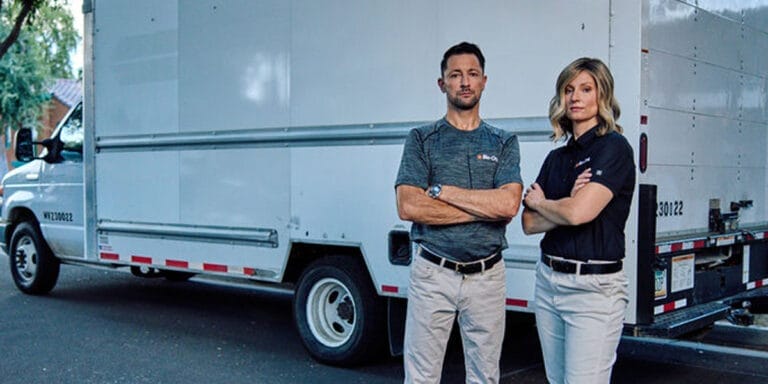
Many families are unsure what professional cleanup means.
It is more than surface cleaning.
When Bio-One of Eugene responds, the focus is on safety, discretion, and compassion. The team first assesses the area to understand the full scope of contamination. Containment measures are established to prevent the spread. Affected materials are carefully removed if necessary. Surfaces are cleaned, disinfected, and treated using professional-grade solutions and equipment.
All biohazardous waste is handled and disposed of in accordance with regulations.
Odor mitigation is addressed. Documentation is provided if needed for insurance.
And throughout the process, discretion is maintained. Vehicles are often unmarked. Conversations are private.
The goal is to reduce stress, not add to it.
Most importantly, families are not asked to relive details or participate in the cleanup. That burden is lifted from them.
Grief is already heavy.
But when the physical space itself becomes a reminder, the weight increases.
Walking past a room. Seeing a stain. Smelling something you can’t forget. These sensory reminders can disrupt the grieving process and complicate healing.
Restoring the space is not about erasing memory. It is about allowing the home to feel livable again. It is about removing visual and environmental triggers that can prolong trauma.
Many families later express relief, not because the loss feels smaller, but because the environment no longer feels frozen in that moment.
The physical restoration supports emotional restoration.
In the first 24 hours, families often carry questions they don’t know how to voice:
Who pays for this?
How fast can someone come?
Will the smell stay forever?
Do we have to replace everything?
Will neighbors find out?
These questions are normal. They are practical. And they deserve calm, clear answers.
In many cases, homeowner’s insurance may help cover the cost of professional biohazard remediation. Response times are often immediate or same-day. Not everything must be removed; professionals assess what can be restored. Odor can be eliminated when handled correctly. And discretion is always prioritized.
The most important thing to know is this: help exists.
The first 24 hours after a suicide are overwhelming.
There are calls to make. Arrangements to consider. Family members to support. Emotions to process. Simply getting through the day takes strength.
Biohazard cleanup should not be added to that list.
Calling a professional service is not a sign of weakness. It is a way of protecting your health, your home, and your emotional well-being.
Sometimes the first step toward healing is removing the immediate burden.
And sometimes, that first step is simply asking for help.
Once law enforcement releases the property, the responsibility typically falls to the property owner or family. Emergency responders do not perform biohazard cleanup.
Yes. Without proper training and protective equipment, there is a risk of exposure to bloodborne pathogens and cross-contamination.
As quickly as possible. Prompt response helps reduce health risks, structural damage, and lingering odor.
In many cases, homeowner’s insurance policies may cover biohazard remediation. A professional company can help with documentation.
Not always. Professionals evaluate which materials can be safely restored and which must be removed.
It depends on the extent of contamination. Some scenes require several hours; others may require more time if structural materials are affected.
When handled properly with professional equipment and techniques, odor can be eliminated.
Biohazardous materials are removed and disposed of in accordance with local, state, and federal regulations.
Professional cleanup services operate discreetly and respectfully to protect privacy.
Start by making a call. Speaking with an experienced professional can provide guidance and reduce uncertainty during an overwhelming time.
When a crime or traumatic event happens, life splits into before and after. In those first hours and days, families are focused on shock, questions, phone calls, and simply getting through the moment.
Eventually, authorities finish their work, and the scene is released. That is when many people face a reality they were never prepared for.
The space where something terrible occurred is still there. And too often, families feel an unspoken pressure to handle what remains on their own.
Some cleanups should never fall on loved ones. Crime scene cleanup is one of them.
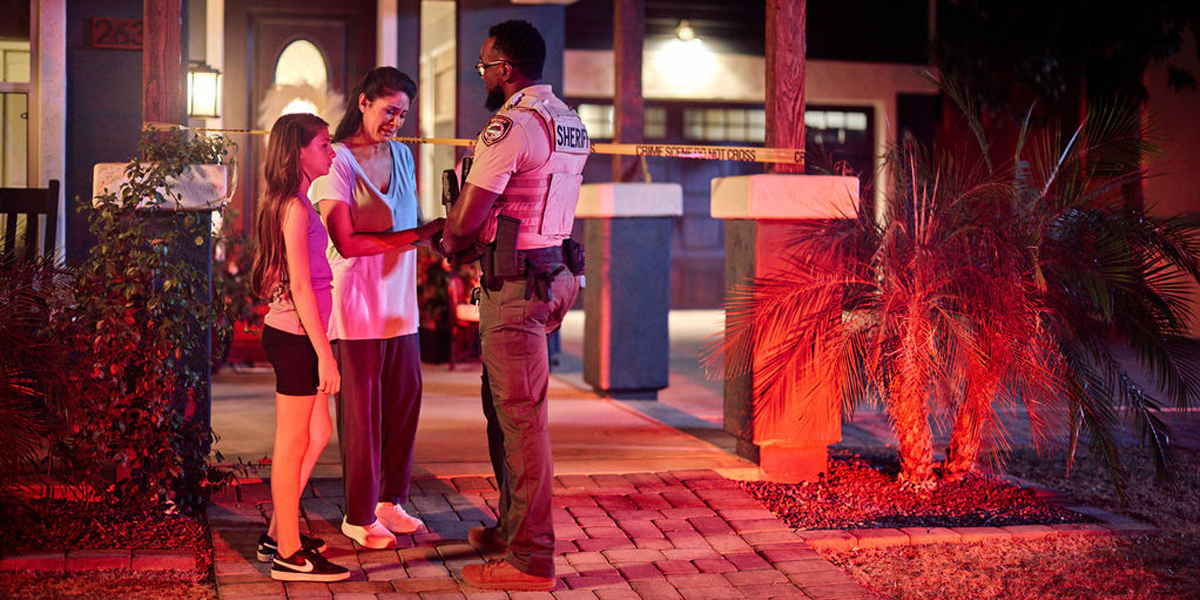
After a traumatic event, taking action can feel like a way to regain control. Cleaning may seem like just another task that needs to be done, something practical in the middle of chaos.
Families may also:
These instincts come from care and responsibility. But crime scenes are not normal messes, and treating them as such can cause harm in ways people do not expect.
Crime scenes often involve biological contamination that cannot be safely handled with household products. Blood and bodily fluids can carry pathogens that pose real health risks.
These materials do not stay on the surface. They soak into flooring, subfloors, walls, furniture, and even ventilation systems.
Professional crime scene cleanup involves:
This is not deep cleaning. It is specialized biohazard remediation designed to protect current and future occupants.
Beyond physical safety, there is another risk that is just as serious: emotional harm.
Cleaning the site of a violent or traumatic event exposes loved ones to sights, smells, and reminders that can deepen grief and trigger lasting trauma. Even brief exposure can imprint memories that resurface long after the cleanup is finished.
Professional cleanup creates a necessary boundary. It allows families to step away from the physical details of what happened and focus on healing, arrangements, and supporting one another. No one should have to relive a tragedy through cleanup.
When crime scenes are cleaned without proper training and equipment, contamination is often spread rather than removed.
Common risks include:
A space may look clean, but unseen hazards can remain. These risks often surface later, when the opportunity to address them safely has already passed.
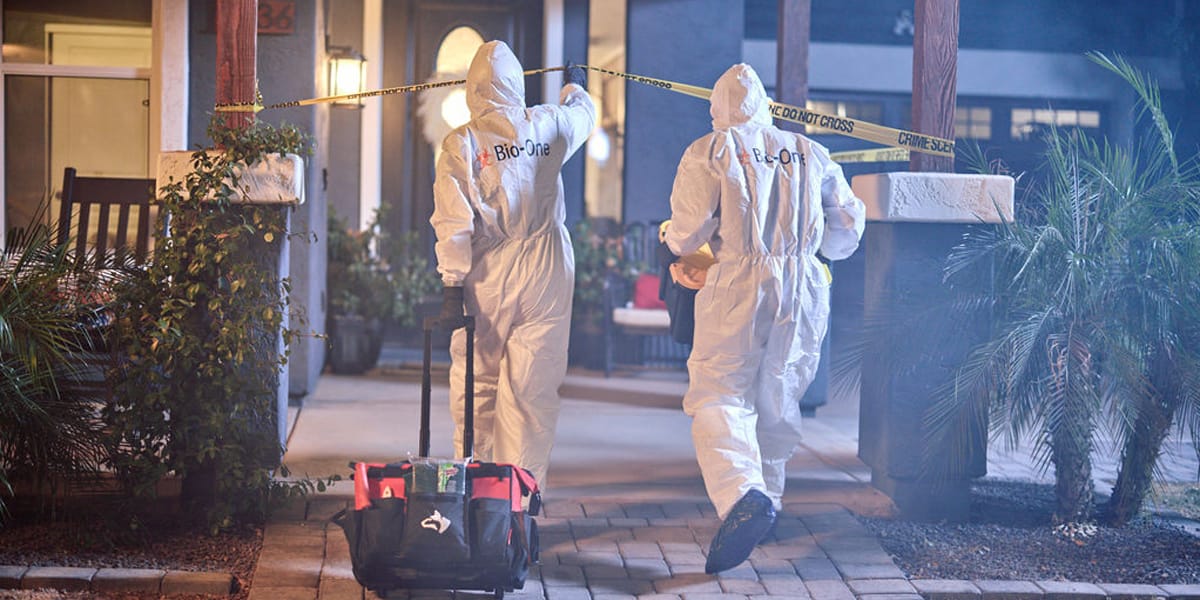
Professional cleanup is especially important when an incident involves:
Choosing professional help is not about avoiding responsibility. It is about protecting people during an already difficult time.
Bio-One of Eugene exists for moments when people need support, not more burden. Their crime scene cleanup services are built around compassion, discretion, and thorough care.
When Bio-One steps in, families can expect:
The goal is not just to clean a space, but to remove one more weight from the shoulders of those affected.

Grief is hard enough without adding hazardous cleanup to the list of responsibilities. Crime scene cleanup is not something families should feel obligated to handle on their own.
If you or someone you care about is dealing with the aftermath of a traumatic event, it is okay to ask for help. Bio-One is here to step in quietly, handle what needs to be done, and give families the space they need to begin healing.
Crime scene cleanup is the professional removal of blood, bodily fluids, and other biological hazards left behind after a traumatic event. It also includes disinfecting and restoring affected areas so the space is safe to occupy again.
Crime scenes can contain dangerous pathogens and invisible contaminants. DIY cleanup can expose loved ones to health risks and cause emotional harm by forcing them to confront traumatic details of the event.
In many situations, proper cleanup is required to meet health, safety, and waste-disposal regulations. Property owners are responsible for ensuring biohazards are removed correctly, especially in rental or shared spaces.
Crime scenes may contain bloodborne pathogens, bacteria, and other biological materials that can penetrate porous surfaces like carpet, wood, drywall, and furniture if not properly addressed.
No. Standard cleaning services are not trained, equipped, or permitted to handle biohazardous materials. Crime scene cleanup requires specialized training, protective equipment, and regulated disposal methods.
The time required depends on the extent of the contamination and the size of the affected area. Some cleanups take a few hours, while others may require multiple days to fully remediate the space.
Professional cleanup removes biological hazards and contaminated materials, returning the space to a safe, pre-incident condition. While cleanup helps restore the environment, emotional healing takes time and support beyond the physical space.
In many cases, homeowner’s insurance, renter’s insurance, or commercial policies may provide coverage. Coverage varies by policy, so it is important to review details or speak with an insurance representative.
Cleanup should be scheduled as soon as the scene is released by authorities. Prompt response helps reduce health risks, prevent further damage, and limit long-term contamination.
Bio-One focuses on compassion as much as compliance. Their approach prioritizes discretion, respect for those affected, and thorough remediation, so families and property owners do not have to face this responsibility alone.
When people hear “C. diff,” they usually think of it as a health problem that ends once treatment is over. But for many homes and care spaces, that isn’t the full story.
C. diff is not only a medical issue. It can also become an environmental biohazard. Even after someone starts feeling better, the bacteria can remain behind in the space where they were sick.
That’s because C. diff behaves differently from most germs. It creates spores that can stay on surfaces for a long time. These spores are hard to remove, easy to spread, and often survive normal cleaning. When cleanup is incomplete, the risk does not go away; it stays hidden.
This is why C. diff situations often require professional biohazard cleanup, not just routine household cleaning.

C. diff is a type of bacteria that lives in the digestive system. It causes serious stomach and intestinal illness and spreads through tiny spores found in fecal matter.
These spores are so small that you cannot see them. They can land on surfaces, stay there for months, and survive many common cleaning products. A room may look clean, smell clean, and still be unsafe.
C. diff is often linked to hospitals and medical facilities, but it does not stay there. It can spread in homes, assisted living communities, recovery spaces, and anywhere cleaning is difficult or incomplete.
When C. diff enters the body, it can release toxins that damage the colon's lining. This causes swelling and irritation and makes it hard for the digestive system to work normally.
Many people experience ongoing diarrhea, stomach pain, fever, nausea, and dehydration. Fatigue and weakness are common, and recovery can feel slow and draining.
In more serious cases, C. diff can lead to life-threatening problems like severe colon swelling, blood infections, or repeat infections that keep coming back. Each time the illness returns, it is often harder to treat.
Older adults, people with weakened immune systems, and those who have recently taken antibiotics are at the greatest risk
C. diff is dangerous not only because of how sick it can make someone, but because of how it behaves in a space.
The spores it creates are very tough. They can survive drying, stay on both hard and soft surfaces, and resist many everyday cleaners. This means wiping down surfaces may not actually remove the risk.
C. diff also spreads through touch, not through sight. Spores move from surfaces to hands, and then into the mouth without anyone realizing it. Bathrooms, floors, bedding, furniture, carpets, and high-touch areas like door handles and light switches are common trouble spots.
Even when medical treatment works, people can get sick again if the environment has not been fully cleaned. In those cases, the space itself becomes part of the problem.
C. diff usually shows up in situations where illness or contamination makes deep cleaning difficult.
This includes times when someone is very sick and lacks the strength to clean properly, or when cleaning is delayed. It can also happen in homes with heavy clutter, where some areas are hard to reach or easy to overlook.
Shared living spaces, such as assisted living facilities and nursing homes, pose a higher risk due to shared bathrooms and common areas. Recovery spaces after a hospital stay are also vulnerable, especially when antibiotics have weakened the body’s natural defenses.
Sewage issues, bathroom overflows, and improper waste handling can further increase the risk by spreading fecal contamination.
This is where many people unknowingly put themselves and others at risk.
C. diff cleanup is not the same as normal cleaning. It is a biohazard situation that needs special care.
Most household cleaners do not kill C. diff spores. Cleaning with the wrong products may remove what you can see, but leave the real danger behind. In some cases, it can even spread spores to other rooms.
Using regular mops, rags, or vacuums can move spores onto clothing, shoes, furniture, and surfaces that were not contaminated before. What starts in one room can quietly spread through the home.
Porous items like carpet, furniture, mattresses, and padding are especially risky. These materials can absorb contaminants and continue releasing spores over time if they are not properly removed.
Handling and throwing away contaminated items is also dangerous. Without the right precautions, waste can expose family members, caregivers, vehicles, and trash areas.
Many repeat C. diff infections happen not because treatment failed, but because the environment was never fully cleaned. The illness ends, but the exposure does not.
Bio-One of Eugene treats C. diff as a serious health risk, not a surface-level cleaning job.
The process starts by identifying all areas that may be affected and setting up controls to keep contamination from spreading. Items that cannot be safely cleaned are carefully removed. Then the space is treated using professional methods designed to address spores, especially in high-touch and hard-to-reach areas.
The goal is simple: reduce risk and help make the space safe to use again.
C. diff does not just affect one person. It can quietly put family members, caregivers, staff, and future occupants at risk.
Proper cleanup helps stop that cycle and gives people confidence that the space they are returning to is safer.
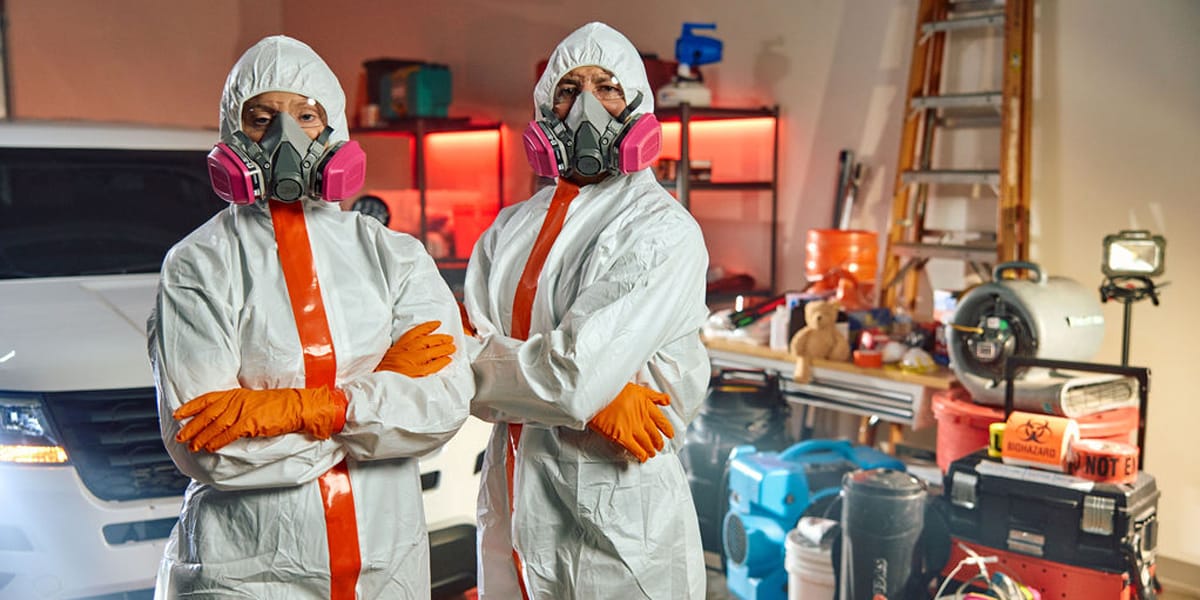
When C. diff is involved, cleaning the space is not enough. The goal is to reduce the risk of ongoing exposure and help make the environment safer for the people who live or work there.
That’s where Bio-One comes in.
Bio-One of Eugene treats C. diff as a serious biohazard, not a routine cleaning job. Every situation starts with understanding where contamination may be hiding, not just where it’s visible. Bathrooms, floors, bedding, furniture, and high-touch surfaces are carefully evaluated because spores often spread beyond the obvious areas.
From there, Bio-One focuses on containment. This step is important because it helps prevent spores from spreading to other rooms during cleanup. Work areas are controlled to keep contamination limited and prevent it from spreading through the home or facility.
Some materials cannot be safely cleaned once they are contaminated. In those cases, Bio-One safely removes and disposes of affected items to reduce ongoing risk. This is especially important for porous materials such as carpet, padding, mattresses, and upholstered furniture, which can retain spores even after surface cleaning.
Next comes professional decontamination. Bio-One uses specialized methods to address hardy spores such as C. diff. Surfaces are treated carefully, with special attention to high-touch areas and often-overlooked places during normal cleaning.
Finally, Bio-One ensures the work is done thoroughly before the space is returned to use. The goal is simple: help reduce the chance of reinfection and give families, caregivers, and property managers peace of mind.
Throughout the process, Bio-One works with care and discretion. Many C. diff cases follow stressful health events, and the focus is always on helping people move forward safely and without judgment.
C. diff requires more than cleaning. It requires experience, care, and the right approach.
If the situation feels overwhelming, if illness keeps returning, or if someone vulnerable is involved, professional biohazard cleanup is not just helpful; it is important.
Bio-One is here to help restore safety and peace of mind during difficult moments.
From Our Franchisee: Elizabeth Lipp of Bio-One of Fort Collins
“I always say: if you don’t want to clean it, you probably shouldn’t—and this is why.
I recently got a call from a property manager at a trailer park. An elderly resident had been hospitalized twice due to an illness that turned out to be C. Diff, a highly contagious bacterial infection whose spores are very difficult to kill.
Before knowing what they were dealing with, the property manager, his wife, and another individual tried to help by cleaning the resident’s heavily hoarded trailer after the first hospital visit. Thankfully, none of them became ill—but unfortunately, the resident did contract C. Diff again.
After the second hospitalization, they did the right thing and called Bio-One. While no one can guarantee reinfection won’t happen without ongoing hygiene oversight, I’m very confident the bacteria and spores are no longer present in the trailer because the proper chemicals and protocols were used.
Moral of the story: Good intentions aren’t enough when biohazards are involved. Some situations require professional training, PPE, and the right disinfectants—for everyone’s safety.”
What is C. diff?
C. diff is a type of bacteria that causes serious stomach and intestinal illness. It spreads through tiny spores found in fecal matter and can stay on surfaces for a long time.
Why is C. diff considered a biohazard?
C. diff is considered a biohazard because its spores can remain in an environment long after someone feels better. If those spores are not properly removed, they can continue to spread illness.
Can a home still be unsafe after someone recovers?
Yes. Even after treatment ends, spores can remain on surfaces like bathrooms, floors, bedding, and furniture. This is a common reason people get sick again.
Why doesn’t normal cleaning fix the problem?
Most household cleaners do not work against C. diff spores. Some cleaning methods can actually spread spores rather than remove them.
Where does C. diff usually hide?
Bathrooms are common, but spores can also be found on floors, baseboards, mattresses, furniture, carpets, door handles, and light switches.
Can carpets or furniture be contaminated?
Yes. Soft and porous materials can absorb contamination. In some cases, these items cannot be safely cleaned and need to be removed.
Can you get sick again from the same space?
Yes. Reinfection often happens when spores remain in the environment. Medical treatment alone does not remove environmental risk.
Who is most at risk?
Older adults, people with weakened immune systems, and those who have recently taken antibiotics face a higher risk. Caregivers can also be exposed without knowing it.
When should professional cleanup be considered?
Professional cleanup should be considered after a long illness, when multiple rooms may be affected, when reinfection has occurred, or when proper cleaning feels uncertain.
How does Bio-One help?
Bio-One provides professional biohazard cleanup focused on safety, containment, and thorough cleaning. Their goal is to reduce health risks and help make the space safer again.
When most people hear biohazard cleanup, they think of extreme situations: crime scenes, major accidents, or hazmat suits on TV. But in reality, biohazards appear in far more everyday scenarios than most homeowners, property managers, and business owners realize.
Biohazards are any biological materials that pose a risk to human health. That includes blood, bodily fluids, waste, decomposition, and certain contaminants that can’t be handled safely with standard cleaning methods.
Here are 10 situations that often require a professional biohazard cleanup company, even if they don’t look dangerous at first glance.
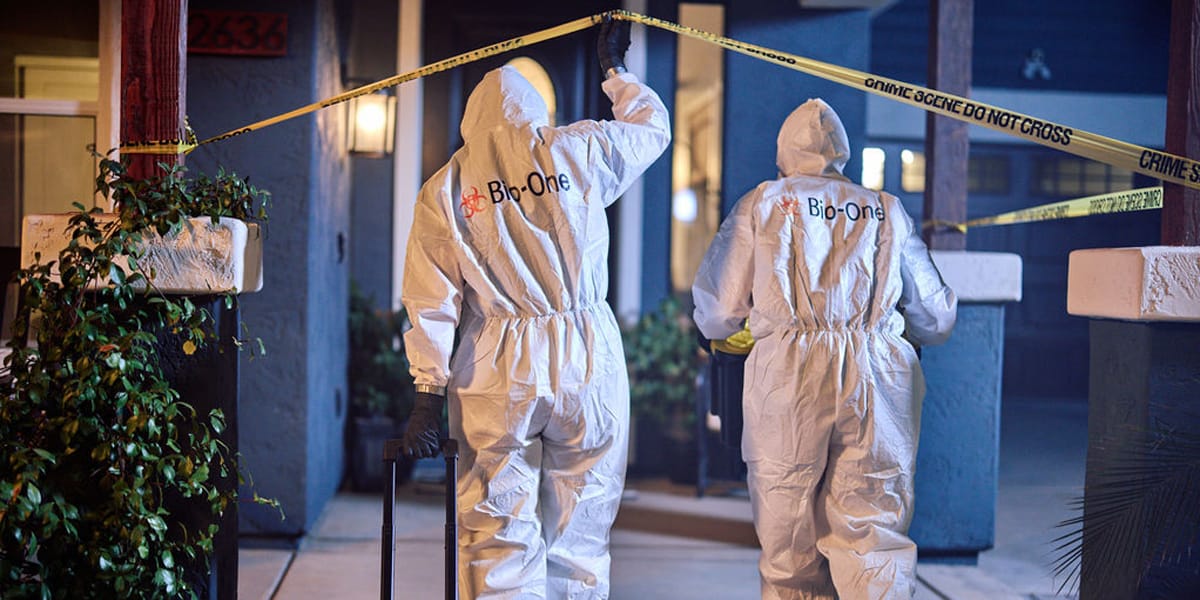
When someone passes away and isn’t discovered for hours or days, the surrounding environment can quickly become unsafe. As the body naturally breaks down, biological materials are released and can spread beyond the immediate area.
This contamination often seeps into:
What makes unattended deaths especially dangerous is that the damage is rarely limited to what’s visible. Odors, fluids, and airborne contaminants can travel, making professional containment and thorough decontamination critical before the space can be safely occupied again.
Blood and other bodily fluids can carry pathogens that remain infectious long after the surface appears dry. While a minor cut can often be handled with routine cleaning, larger spills or unknown exposure risks require professional attention.
Biohazard cleanup is often necessary when:
Without proper cleanup, microscopic traces can remain, posing ongoing health risks to anyone who later enters the space.
After a traumatic loss, the emotional toll on families, property owners, and loved ones is immense. The physical environment often reflects the trauma and requires specialized care to restore safety.
Professional biohazard cleanup provides:
This type of cleanup allows families and property managers to focus on healing and next steps, rather than being exposed to additional distress or health risks.
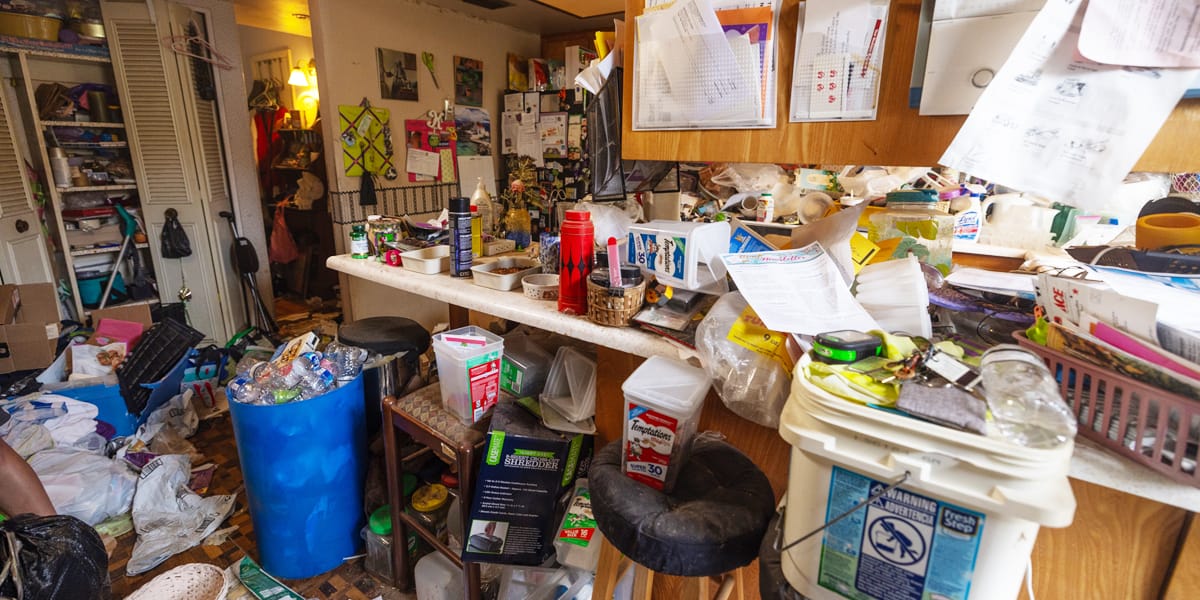
Not all hoarding situations involve biohazards, but many do. Over time, excessive accumulation can hide serious health concerns beneath layers of belongings.
Common biohazards in hoarding environments include:
When biological contamination is present, cleanup requires more than organizing or removal. It involves safe handling, disinfection, and careful restoration to return the space to livable conditions.
Rodents contaminate areas through droppings, urine, nesting materials, and damaged insulation. As these materials dry, particles can become airborne and spread throughout the structure.
Biohazard cleanup may be required when:
Proper cleanup helps reduce exposure risks and prevents lingering odors and contamination from spreading further.
Sewage backups introduce harmful bacteria and pathogens directly into living or working spaces. Even after the water recedes, contamination often remains.
Professional cleanup typically includes:
Attempting to clean sewage contamination without proper equipment can increase exposure risks and spread contamination to unaffected areas.
Properties impacted by drug use, whether residential, commercial, or vehicles, can contain hazardous residues and sharp objects that pose serious risks.
Biohazard cleanup is often necessary to:
These environments require careful handling to prevent accidental exposure and injury.
When animals pass away in walls, attics, crawl spaces, or yards, biological materials and odors can spread quickly. The longer the remains go undiscovered, the greater the contamination.
Cleanup may involve:
Even small animals can cause significant contamination when decomposition occurs in enclosed spaces.
Certain illness-related situations create biohazards when bodily fluids, waste, or contaminated surfaces are involved, especially in shared environments.
Biohazard cleanup may be needed in:
The goal is to reduce the risk of cross-contamination and ensure the space is safe for continued use.
Vehicles can become contaminated through accidents, medical transport, or exposure to bodily fluids. Because vehicles are enclosed spaces, contamination and odors can persist without professional treatment.
Biohazard vehicle cleanup typically includes:
This ensures the vehicle can be safely used again without ongoing exposure concerns.
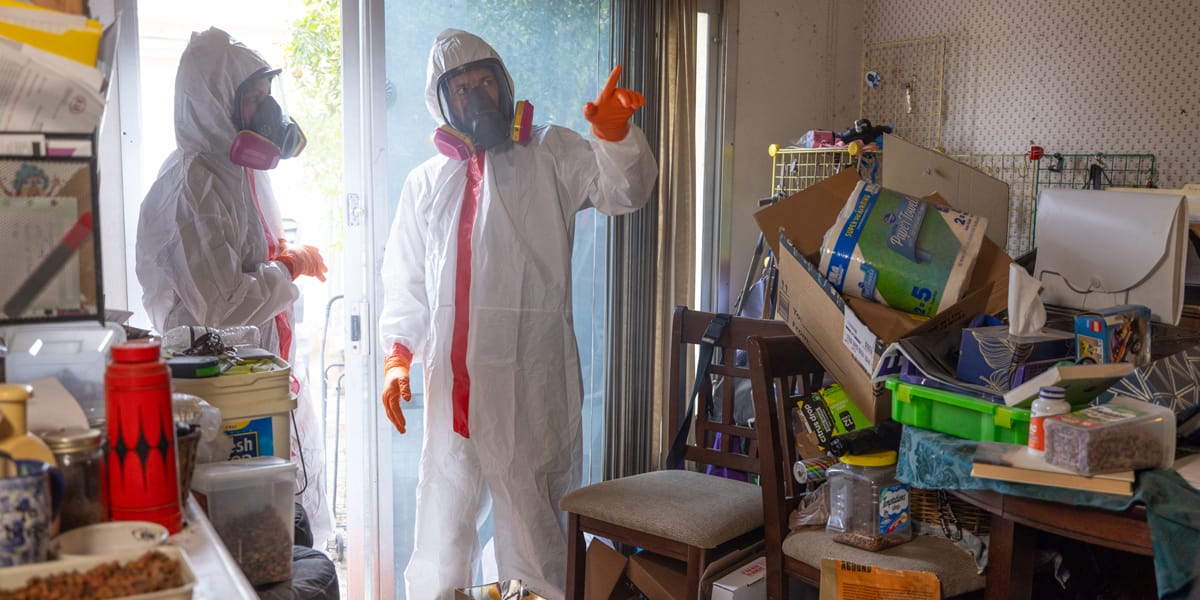
Biohazard situations are rarely limited to what you can see on the surface. While a space may look clean after basic cleaning, harmful contamination can remain hidden in places most people never think to check.
Biological materials can:
Without proper containment and decontamination, these hidden hazards can continue to pose risks to anyone who enters the space for days, weeks, or even months.
Professional biohazard cleanup companies like Bio-One are trained to address the entire environment, not just the obvious areas of concern.
Bio-One of Eugene follows industry-recognized safety procedures designed to reduce exposure and prevent cross-contamination. Every scene is carefully assessed, and cleanup is performed in a controlled, methodical manner to protect everyone involved.
Standard cleaning tools aren’t designed to handle biological contamination. Professional biohazard cleanup uses specialized equipment and materials to safely remove affected items, disinfect surfaces, and address lingering odors that traditional cleaning methods can’t resolve.
Proper cleanup helps protect:
By addressing contamination at the source, professional cleanup reduces long-term risks and liability.
Many biohazard situations involve deeply personal or traumatic circumstances. Bio-One approaches every job with professionalism, privacy, and empathy, treating people and spaces with the respect they deserve.
Biohazard situations are overwhelming, especially when you’re not sure what steps to take or who to call. If something doesn’t feel right, it’s always better to ask questions before attempting cleanup on your own.
Bio-One of Eugene responds with care, clarity, and urgency:
Whether you’re a homeowner, property manager, or business owner, Bio-One helps you understand the safest next step so you can make informed decisions during a difficult moment.
When life feels heavy and situations are complex, Bio-One is here to help you move forward, safely, respectfully, and with compassion.
A biohazard situation involves biological materials that can pose a risk to human health. This may include blood, bodily fluids, waste, decomposition, or contamination from animals, sewage, or certain illnesses. If standard cleaning methods aren’t enough to safely address the situation, professional biohazard cleanup may be needed.
While it may be tempting to handle cleanup on your own, many biohazard situations involve hidden contamination that isn’t visible to the naked eye. Without proper equipment, training, and safety protocols, DIY cleanup can increase exposure risks and leave harmful materials behind.
If a situation involves bodily fluids, strong odors, contamination that has soaked into surfaces, or uncertainty about health risks, it’s best to consult a professional. Bio-One can help assess the situation and explain the safest next steps.
No. Biohazard cleanup is often required for situations that aren’t widely recognized as hazardous, such as unattended deaths, sewage backups, hoarding environments with contamination, rodent infestations, or vehicle contamination.
Biohazards can spread beyond visible areas into carpets, padding, subflooring, walls, furniture, HVAC systems, and personal belongings. Professional cleanup focuses on addressing both visible and hidden contamination.
The time required depends on the extent of contamination and the size of the affected area. Some situations can be addressed in a day, while others may require multiple days to ensure the space is cleaned correctly and safe to occupy.
Yes. Odor treatment is often an essential part of biohazard cleanup. Persistent odors are usually a sign of underlying contamination, and professional cleanup addresses the source—not just the smell.
Yes. Bio-One understands that many situations are sensitive and personal. Cleanup is handled with discretion, professionalism, and respect for privacy, helping protect both individuals and property reputations.
Biohazard cleanup services are used by homeowners, families, property managers, landlords, businesses, law enforcement, healthcare facilities, and vehicle owners—anyone facing a biological contamination situation.
The most critical first step is to avoid disturbing the area and, if possible, limit access. Then contact a professional biohazard cleanup company, such as Bio-One, to discuss the situation and receive guidance on next steps.